BIG – BIGGER than – The BIGGEST
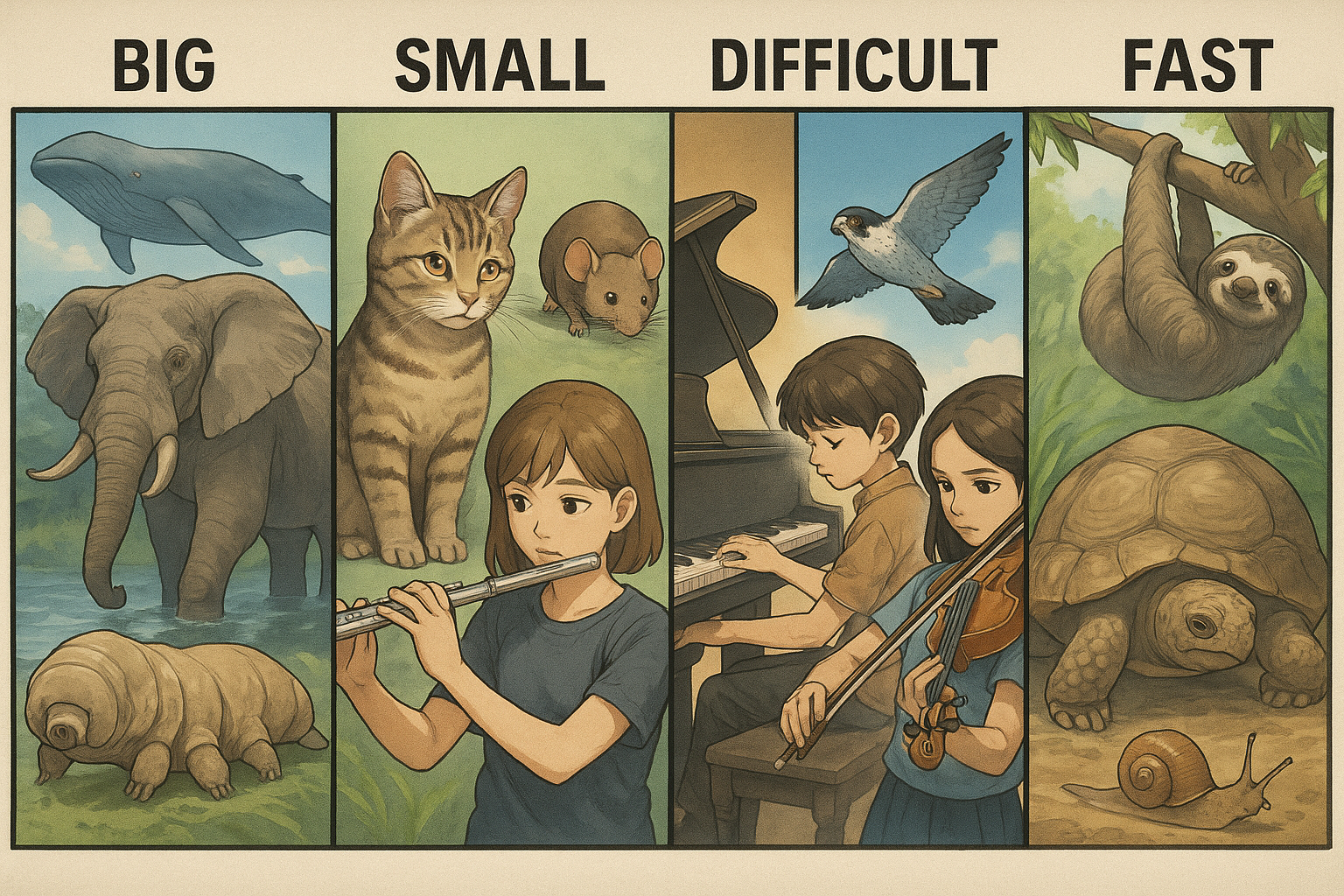
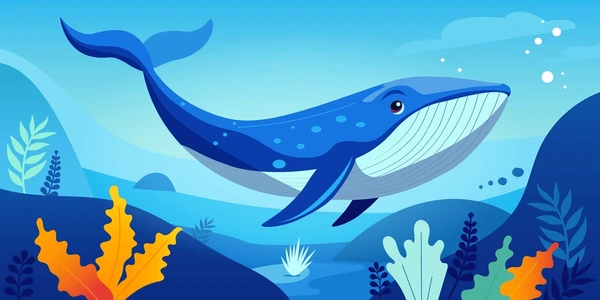
Hippos are amazing animals. They live in rivers but they cannot swim; they walk under water. Hippos are certainly big, but the elephant is bigger than a hippo. Don’t get it wrong—the blue whale is the biggest animal in the world. It is much bigger than elephants.
SMALL – SMALLER than – The SMALLEST
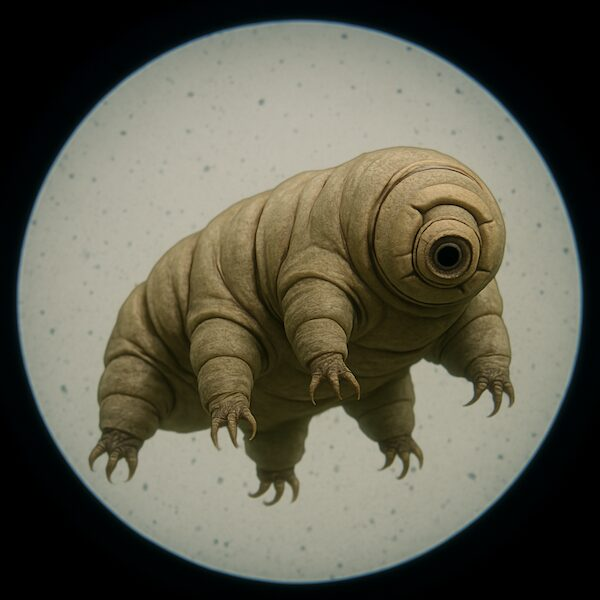
A cat is small and light on its feet. A mouse is smaller than a cat and can hide in tiny spaces. A tardigrade is one of the smallest animals we can find; it lives in drops of water.
DIFFICULT – MORE DIFFICULT than – The MOST DIFFICULT
The flute is difficult to start because you must shape your mouth carefully. Many students find the piano more difficult than the flute, as both hands play different parts. For lots of learners, the violin is the most difficult of the three.
FAST – FASTER than – The FASTEST
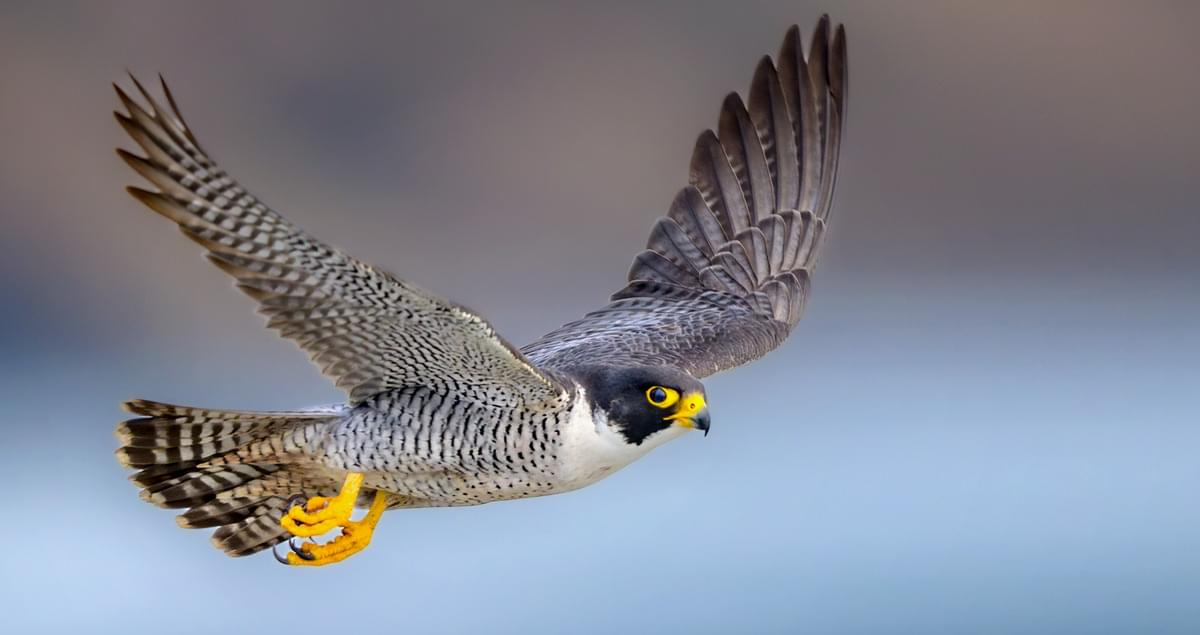
Rabbits are fast runners when they escape danger. A cheetah is faster than a rabbit and is the fastest land mammal. The peregrine falcon is the fastest animal when it dives through the air.
SLOW – SLOWER than – The SLOWEST
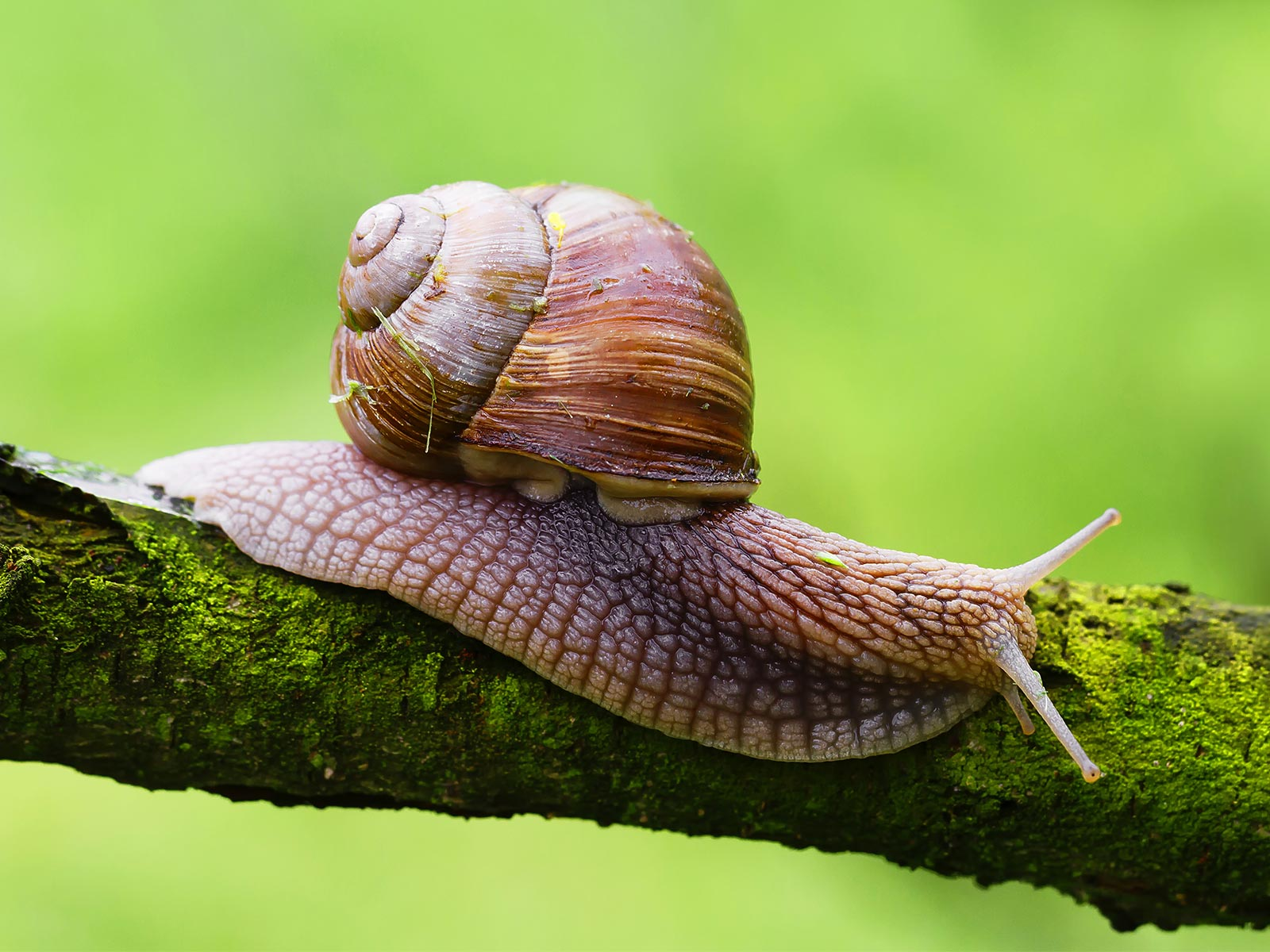
A tortoise is slow and steady; it carries its home. A sloth is slower than many animals because it saves energy. Of these three, the snail is the slowest; it slides forward on a trail of slime.
Grammar Box: Comparatives & Superlatives
Pattern (3 columns)
| Adjective | Comparative | Superlative |
|---|---|---|
| big | bigger than | the biggest |
| small | smaller than | the smallest |
| fast | faster than | the fastest |
| slow | slower than | the slowest |
| tall | taller than | the tallest |
| short | shorter than | the shortest |
| easy | easier than | the easiest |
| heavy | heavier than | the heaviest |
| difficult | more difficult than | the most difficult |
| interesting | more interesting than | the most interesting |
| good | better than | the best |
| bad | worse than | the worst |
Rules
- One syllable: add -er / -est → big → bigger → (the) biggest, fast → faster → (the) fastest.
- Ends with -e: add -r / -st → nice → nicer → (the) nicest.
- C–V–C ending: double last consonant → hot → hotter → (the) hottest.
- Two syllables ending in -y: y → ier/iest → happy → happier → (the) happiest.
- Long adjectives (2+ syllables): more / the most → more difficult, the most interesting.
- Irregular: good → better → the best; bad → worse → the worst; far → farther/further → the farthest/furthest.
- Use than with comparatives: A cheetah is faster than a rabbit.
- Use the with superlatives: The blue whale is the biggest animal.
- With groups/places: in/of → the fastest in the class / the biggest of the three.
Activity
1 – 5 Comparatives
6 – 10 Superlatives
- A rabbit is ________ (fast) than a cat.
- The elephant is ________ (big) than the hippo.
- For me, playing the piano is ________ (difficult) than the flute.
- A mouse is ________ (small) than a cat.
- A sloth is ________ (slow) than a tortoise.
- The blue whale is ________ (big) animal on Earth.
- The peregrine falcon is ________ (fast) animal when it dives.
- For many students, the violin is ________ (difficult) instrument.
- Tardigrades are among ________ (small) animals we can see with a microscope.
- The snail is ________ (slow) of these three.
VIDEO ZONE
Here’s the irregular verb set that appears in this lesson:
- be → was/were → been — “He was as small as a paper clip.”
- sit → sat → sat — “Charlie sat on the windowsill.”
- shrink → shrank → shrunk — “A tiny spark… he shrank.”
- see → saw → seen — “He saw the classroom like a forest.”
- stand → stood → stood — “Paco’s blue wooden box stood far away.”
- get → got → got — “If you got into Paco’s box…”
- come → came → come — “…you came back to normal.”
- say → said → said — “A whisper said…”
- feel → felt → felt — “The floor felt cold.”
- make → made → made — “A drop… made a pond.”
- bend → bent → bent — “A tardigrade bent its little legs.”
- ride → rode → ridden — “He rode it like a horse.”
- grow → grew → grown — “He grew back to his normal size.”
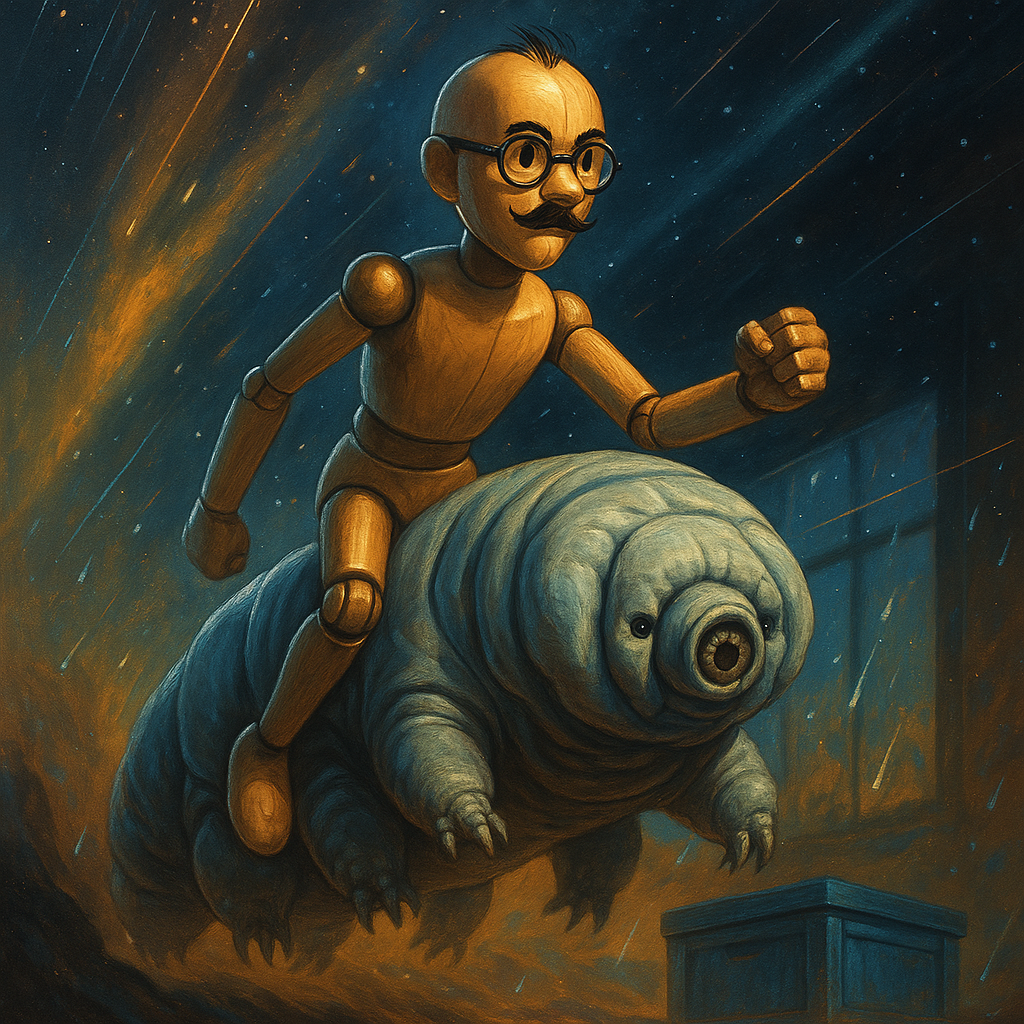
Charlie sat on the windowsill after class. A tiny spark touched his head, and he shrank. In a second, our wooden mascot was as small as a paper clip. He looked around and saw the big classroom like a forest. Paco’s blue wooden box stood far away. A whisper said, “If you got into Paco’s box, you came back to normal.”
Charlie started his trip. The floor felt cold and huge. A drop of water rolled from a boot and made a pond. Inside it, tiny tardigrades floated. They helped him. One friendly tardigrade bent its little legs, and Charlie climbed on. He rode it like a horse. They crossed the pond, pushed a pencil bridge, and reached Paco’s box.
Charlie opened the lid, jumped in, and a warm light flashed. He grew back to his normal size. He smiled, patted Paco’s box, and whispered, “Thanks, brave tardigrade!”
A) Fill the gaps (10)
Complete with the past simple of the verb in brackets.
- Charlie ___ on the windowsill. (sit)
- A tiny spark ___ his head and he ___ . (touch / shrink)
- He ___ around and ___ the classroom like a forest. (look / see)
- “If you ___ into Paco’s box, you ___ back,” a whisper ___ . (get / come / say)
- A drop of water ___ from a boot and ___ a pond. (roll / make)
- Tiny tardigrades ___ inside and one of them ___ him. (float / help)
- Charlie ___ on its back and ___ across the pond. (climb / ride)
- They ___ a pencil bridge and ___ the box. (push / reach)
- Charlie ___ the lid and ___ in. (open / jump)
- A warm light ___ and he ___ to normal size. (flash / grow)
B) Order the moments (6)
Write 1–6.
__ He rode a tardigrade.
__ He jumped into Paco’s box.
__ The spark shrank him.
__ They reached the box.
__ He saw the class like a forest.
__ The water drop made a pond.
C) Quick duo Q&A (speaking, 2′)
Student A asks, Student B answers in past simple:
- What helped Charlie?
- How did Charlie cross the pond?
 Lingua-Franca